 Integrix
Moorhead, MN • Serving Fargo, West Fargo & the Red River Valley
CCEP Foot & Ankle Exam in Moorhead, MN
Find out why your feet hurt, not just where. A complete foot, ankle and gait exam from a Certified Chiropractic Extremity Practitioner.
You’ve Been Told to “Rest It” and “Buy Better Shoes”
Maybe it’s heel pain with your first steps in the morning. Maybe it’s sore arches after a shift on hard floors. Or maybe your knees, hips or low back ache and nothing fixes it for long.
But no one has looked closely at how your foot actually works. Each foot has 26 bones and 33 joints. When even one of them doesn’t move the way it should, the joints above it have to work harder to make up for it.
You shouldn’t have to plan your day around your feet.

An Exam Built by an Extremity Specialist
Most chiropractors are trained mainly on the spine. Dr. Paul M. Bekkum holds the CCEP (Certified Chiropractic Extremity Practitioner) credential. That means advanced training in checking and adjusting the joints of the arms and legs, including the feet and ankles.
He has been in practice since 1992, and has scanned, prescribed and fitted custom foot orthotics for patients across the Red River Valley for much of that time.
Your exam is done in person at our Moorhead clinic.
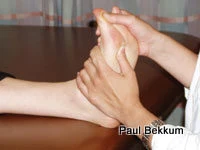
What the exam includes
What We Check
Your story
Where it hurts, when it started, and what makes it better or worse.
Standing posture
How your feet, knees and hips line up when you stand.
Joint motion
The joints of your toes, foot and ankle, checked for joints that are stuck or move too much.
Muscle strength and balance
Including single-leg balance and the small muscles that hold up your arch.
Walking and movement
How your feet land, roll and push off, and how your knees and hips follow.
Footmaxx foot scan (when needed)
A 3D iPad scan of each foot's shape and a pressure scan of every step. See Footmaxx orthotics.
Your shoes
Wear patterns on your shoes and old inserts tell us a lot about how you walk.
Movement scan
A Kinetisense 3D movement scan of your knees, hips and posture, because foot problems often show up higher in the chain.
Safety check
If anything points to a problem that needs another provider, like a fracture, poor blood flow or nerve damage, we tell you and refer you.
The Footmaxx Metascan
See How Your Feet Work, Step by Step
When your exam points to how your feet take weight, you walk barefoot across the Footmaxx Metascan pressure mat.
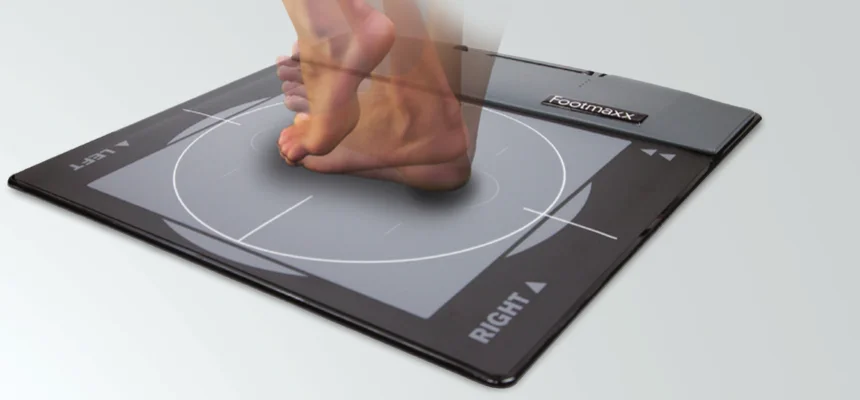
The mat records the pressure under every part of each foot as you walk. Footmaxx says it captures the stance phase of your step at 150 frames per second, far faster than the eye can follow.
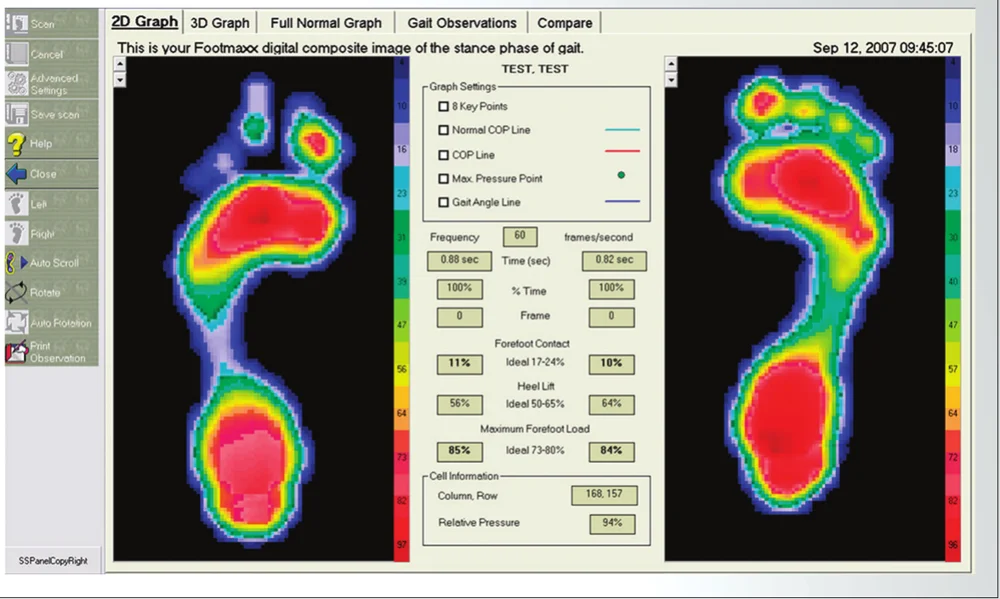
The scan shows when your heel lifts, when your forefoot takes over, where the most pressure lands, and whether each foot follows a straight or curved path. If you need orthotics, that data goes into your prescription.
The plan
What Happens After Your Exam
1. We explain what we found
In plain words, with your scan results in front of you.
2. You get a written plan
It may include foot and ankle adjustments, soft-tissue work, shockwave or laser therapy, home exercises and custom orthotics. You see every cost before you start.
3. We track your progress
We re-check you on a set schedule, and re-scan, so you can see what is changing.
A Foot Exam May Help If You Have
- Heel pain or plantar fasciitis
- Arch pain, flat feet or high arches
- Achilles tendon pain
- Ankle sprains that keep coming back
- Shin splints
- Bunions, calluses or pain in the ball of the foot
- Knee pain that gets worse with walking or standing
- Hip or low back pain linked to how you stand and walk
- Long days standing on hard floors
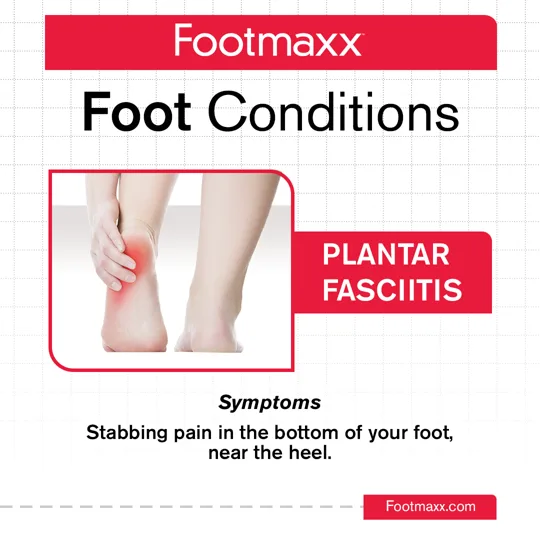
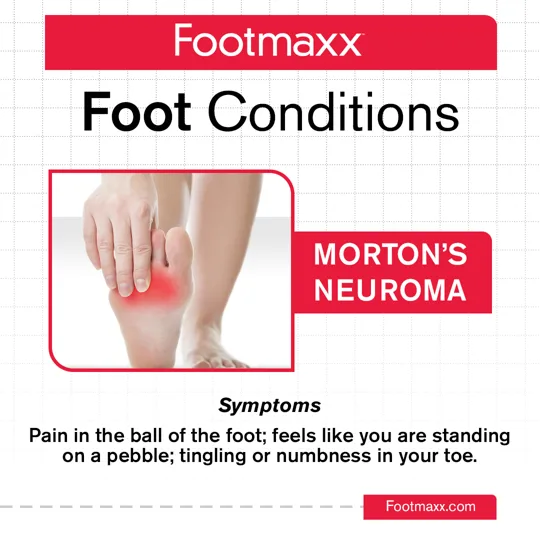
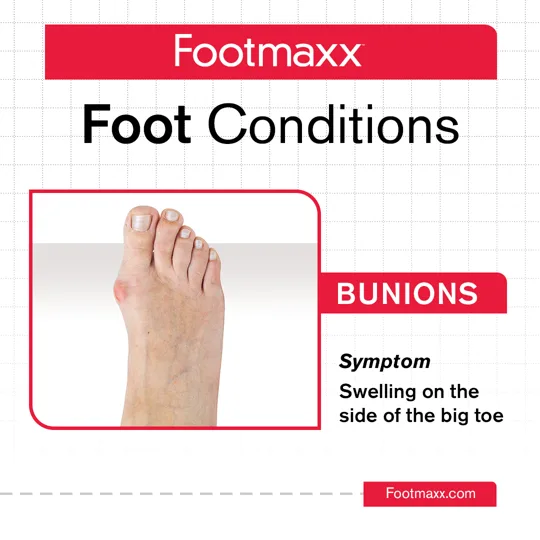
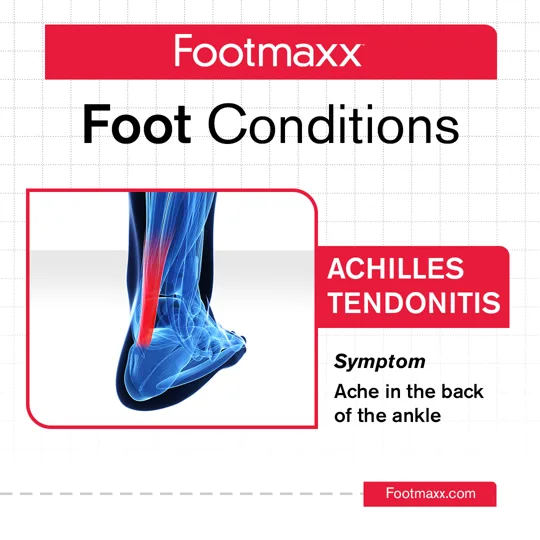
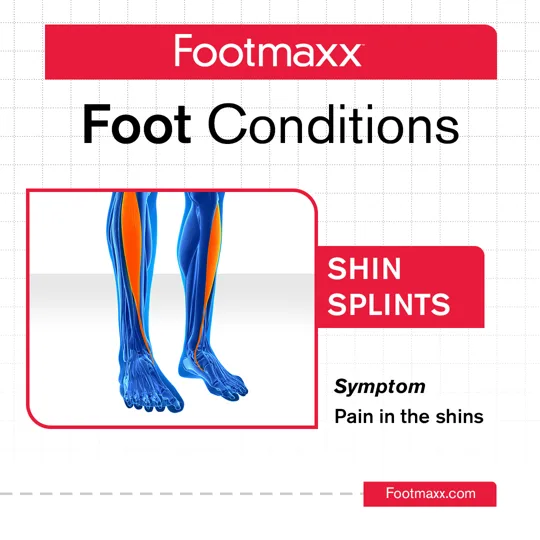
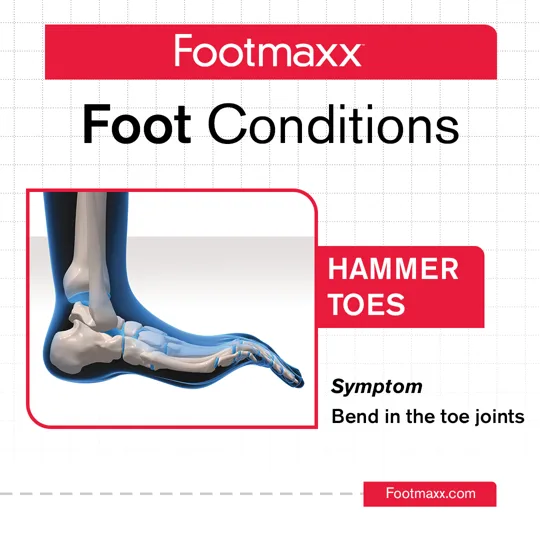
Graphics: Footmaxx educational materials.
What to bring
- The shoes you wear most: work, sport and casual
- Any orthotics or arch supports you use now, even worn-out ones
- Your insurance card and ID
- Shorts, so we can see your knees and ankles
The Moorhead Clinic
Integrix Health, LLC
22 6th St N
Moorhead, MN 56560
About 5 to 10 minutes from downtown Fargo
Phone: 701-347-1968
Hours: Mon–Fri 9 AM–12 PM, 1:30–5 PM · Wed until 6 PM
See a doctor right away if you have
- A foot sore or cut that is not healing, especially with diabetes
- A foot that is suddenly red, hot and swollen
- Calf pain and swelling in one leg
- A cold, pale or blue foot or toes
- You cannot put weight on the foot after a fall or twist
Questions
Frequently Asked Questions
What does CCEP mean?
Certified Chiropractic Extremity Practitioner. It is a post-graduate credential in examining and adjusting the joints of the arms and legs, including the feet, ankles, knees, hips, shoulders and hands. Dr. Paul M. Bekkum holds it.
Do I need orthotics after a foot exam?
Not always. Many foot problems get better with joint care, soft-tissue work and the right exercises. If your exam and scan show your foot needs support, Dr. Bekkum will explain why and which kind fits your shoes and activities.
Is the foot scan part of the exam?
When it helps. The Footmaxx 3D and pressure scans are added when your exam points to a problem with how your foot takes weight or moves, or when orthotics are being considered.
Does insurance cover a foot exam?
In-person exams at the Moorhead clinic may be billed to your insurance, depending on your plan. Call us and we will help you check before your visit.
Do I need a referral?
No. You can book directly.
Where is the clinic?
22 6th St N in Moorhead, MN, about a 5 to 10 minute drive from downtown Fargo and West Fargo.
Medically reviewed by Dr. Paul M. Bekkum, DC, CCEP. Last reviewed November 18, 2026.